
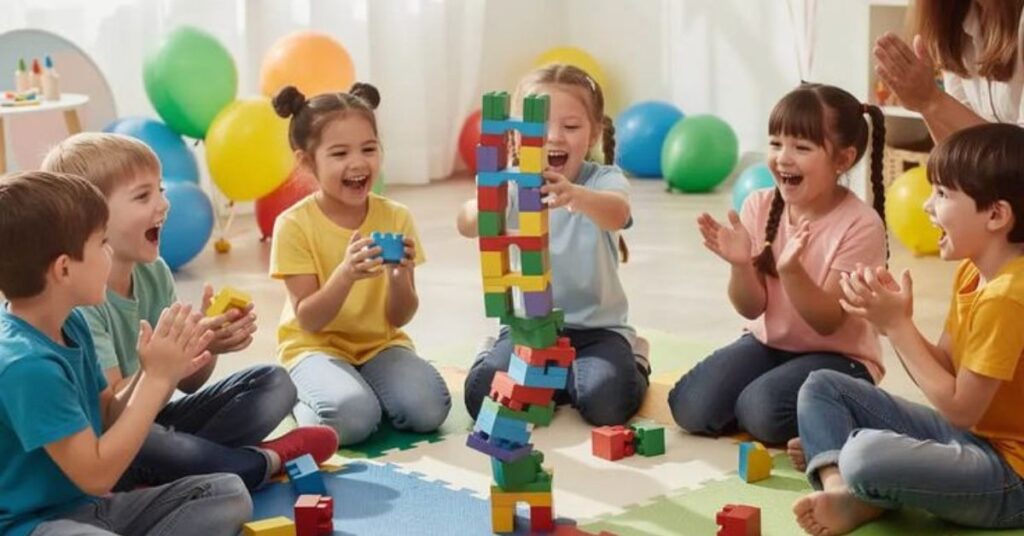
Educational toys are kinda special toys that help kids learn while they’re playing, you know, it’s like a double purpose thing. They are made to fit a child’s age and the way their mind is growing. Every kid goes through different development stages, it’s not just one single straight line or anything like that, more like a kind of uneven road really.These toys don’t only entertain either. They keep helping brain development, step by step, at every milestone in a child’s life.
And if the toy is too complex, it might bring frustration instead, pretty quickly too.That’s why age appropriate educational toys matter so much. The right play thing at the right moment can open skills you didn’t even expect. And it can turn what looks like normal playtime into real learning moments that feel powerful, somehow.
There are a bunch of really great educational toys out there for every age group, yeah. If we’re talking about babies and toddlers, those soft blocks and sensory play things usually work best, they kinda help with touch, sight and hearing, all at once. Then for kids 3 to 5 , puzzles and alphabet toys are a solid way to start up early reading skills.
Brain boosters for different ages
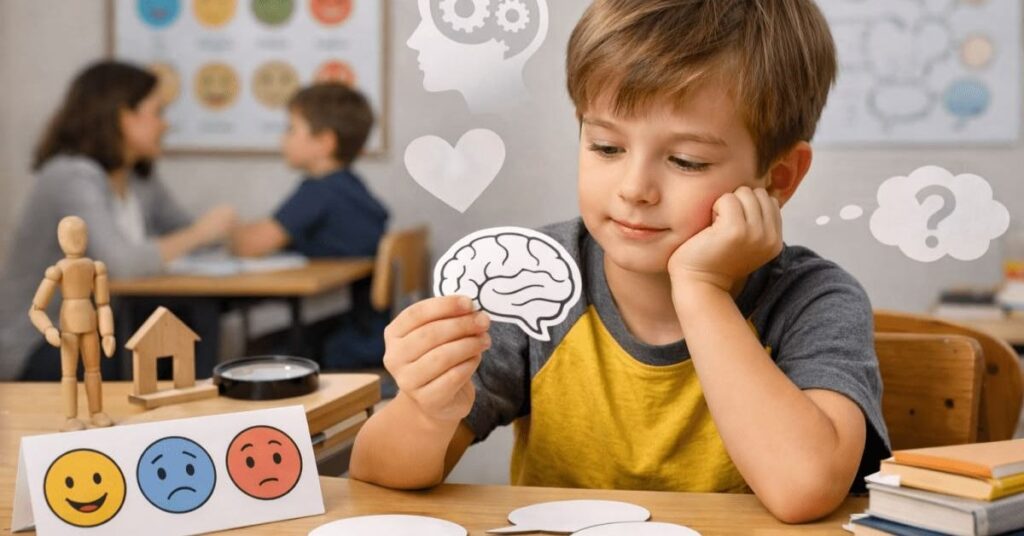
Every child’s brain grows in a slightly different way at each age, not just in a simple, straight line. A 2 year old thinks in a totally different fashion than a 7 year old. That is why these age- specific brain boosters matter so much, really, because timing and fit are everything. You get toys, games and simple activities that are made for a child’s exact age, not an idea of an age. The
For babies, simple rattles and bright playthings helps wake up early senses kind of fast, in a way that kinda feels natural and direct.For toddlers, shape sorters and building blocks make the hand eye coordination happen, better and steadier. Kids 4 to 6 years old grow really quickly with puzzles and little storytelling games. That helps language skills and memory to grow, too.
Infant Sensory Play (0-2 years)
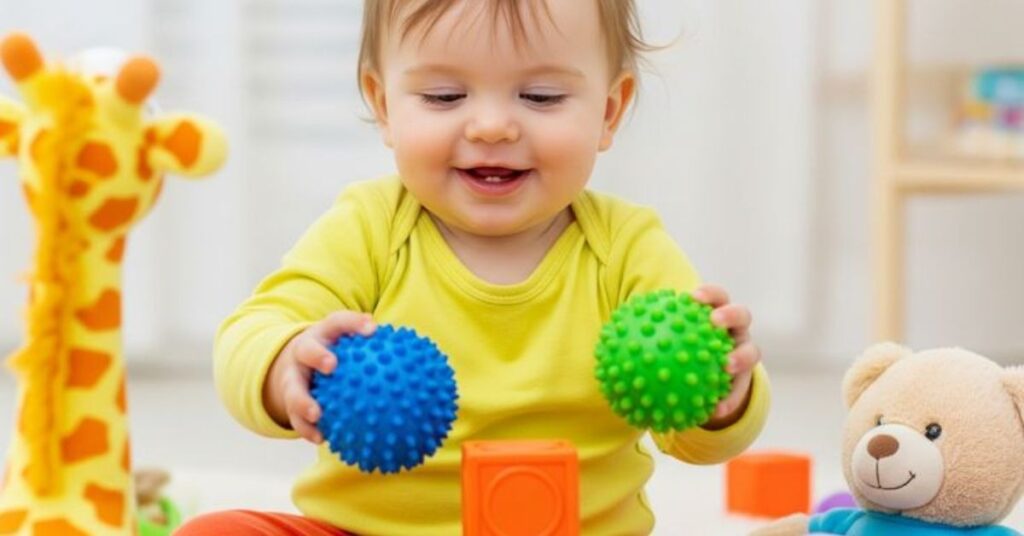
Babies learn mostly through their senses, like they touch stuff and see things, but they also hear , smell and taste just about anything nearby .People often call this sensory play, and honestly it kind of sounds simple but it really is not. Sensory play for infants from 0 to 2 years old is quite important, it helps the brain develop and form new connections.
Babies figure things out through their senses mostly, like they touch stuff and see things. They also pick up sounds, smell, and taste just about anything that’s nearby.People often call this sensory play, and honestly it kind of sounds simple but it really is not. Sensory play for infants from 0 to 2 years old is quite important, it helps the brain develop and form new connections.
Milestones in Language and Vocabulary (2–4 years)
Between the ages of 2 and 4 , children really start talking a lot, like way more than before. It feels like a key moment for their language to grow, and expand.Kids begin to learn new words every single day. They start forming short sentences. And honestly supporting it with the right tools makes a big difference, really.
With a decent vocabulary at this stage, the future can look way more luminous. There are a good number of pretty straightforward ways to give language skills a little push for this age group.Reading picture books together is one of the best choices. It brings in fresh words in a playful and simple way.
STEM Toys Build Problem-Solving skills
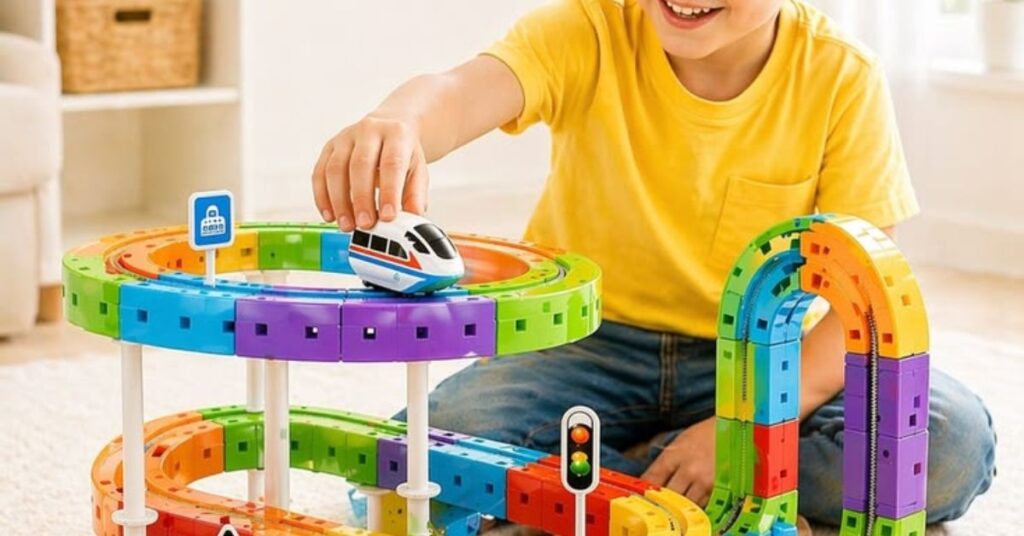
They are designed to make children think deeply. They challenge young minds in a fun way, kind of like a small dare that doesn’t feel stressful. STEM toys help build problem-solving skills from an early age.And yes, there are plenty of great STEM toys out there for different age groups.
Coding boards and robot toys bring in technology, but in a playful vibe. Math games and number puzzles sort of turn numbers into this less scary, more like a challenge they wanna beat. It’s almost like, you don’t notice it as much, just that you’re trying to solve, and then it feels kind of different.
Creativity Milestones Through Art Toys
Art toys help children express themselves freely. They give kids a way to show what they feel inside.Creativity milestones through art toys are reached step by step. The right art toy at the right age kind of brings out the best in each child.
Some creativity moments that tend to show up are like this:
- Age 1–2: Finger painting and poking around with colors for the first time, mostly
- Age 3–4: Making simple shape marks and spotting basic colors
- Age 7–9: Creating more detailed work and trying different materials, too
- Age 10 and over: building a personal art style that is really theirs, and kind of growing creative thinking, step by step.
Art toys offer much more than just fun. They build important skills in growing children.
Here’s what the right art toy can sort of do for your child, honestly:
It helps them with little hand stuff like Fine Motor Skills.
- Then there’s Focus and Patience, because finishing an art project teaches kids to stay on task, even when they want to rush.
- Plus color and shape recognition gets better, since painting and drawing sharpen visual learning.
- Some people call it right brain development, and yeah art activities stimulate that creative side of the brain.
Art toys kinda make it easier at every growth stage, you know, like step by step, real smooth .
FAQs
Q1. What are group toys and how do they help children aged 6 to 9?
Honestly it feels like the kids are just doing normal play , but somehow these skills show up as part of it.
Q2. How do group toys improve social skills in children?
Children learn to take turns and show respect for other people when they play together.
Q3. What are the best group toys for children between 6 and 9 years?
Board games, team puzzles and roleplay sets are among the best group toys for this age, honestly.
Q4. Can group toys also help with brain development at this age?
Yeah, group toys do more than build social skills.