
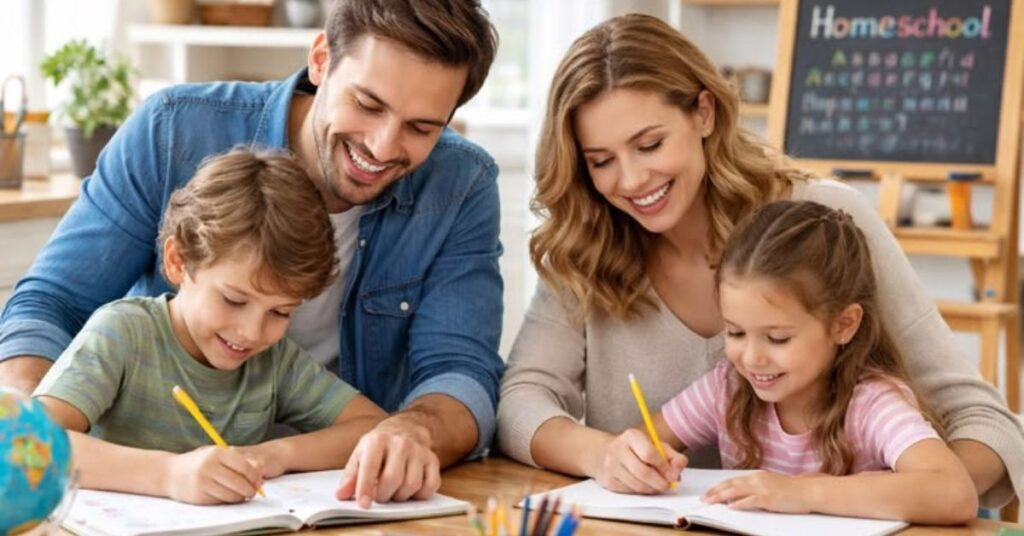
Kids learning and education is basically about helping children grow their knowledge and abilities in a natural way. It is that teaching process where you show things in a way kids can actually take in, even if they ask a lot of questions. And honestly, education is not only books and classrooms, no. It is also the small lessons that happen at home, at school, and around them in everyday life. When kids learn and education gets the right balance it can shape a child’s future.
Do your kids get bored during study time? I mean, most kids find learning kind of dull, and also a bit hard. But it does not need to feel that way.Learning for children, and their education, can be sort of exciting, even enjoyable if you let it. When you bring in imaginative ideas, they tend to pay extra attention, and for that reason they often learn quicker , and remember more.
Making kids learning and education enjoyable is actually easier than people think, like there are simple, creative little tricks. Art and craft sessions are great as well, they help kids think in a more creative, perhaps slightly unusual way. And, even a quick walk outside can turn into a real lesson, if you notice things together, like colors, shapes, or patterns. You don’t need fancy tools or costly resources, just some light creativity, plus real love. In this article we are sharing 5 easy practical ideas for parents, and teachers to make learning fun, for real.
Learning Through Play
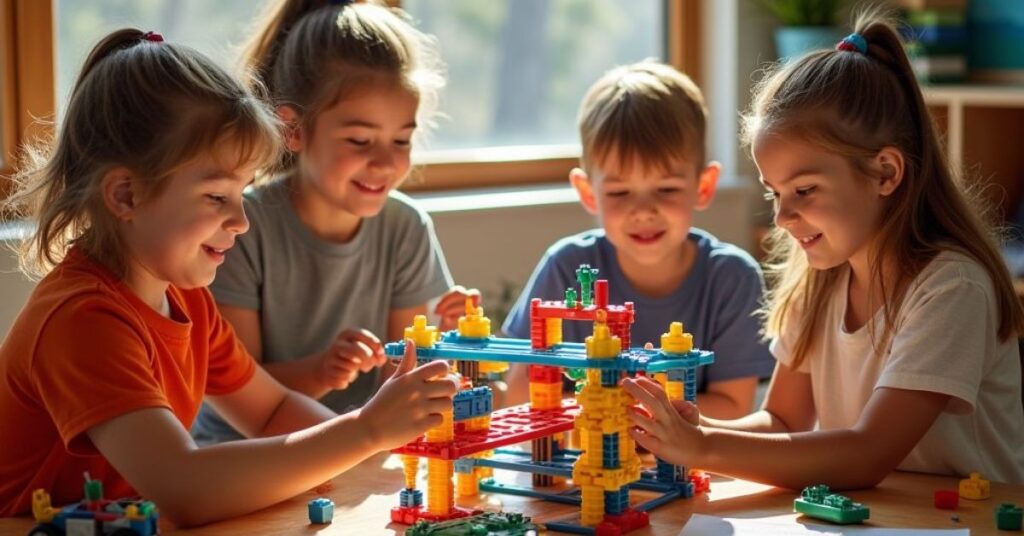
Learning by play, like, is when children pick up knowledge while still having fun. It seems natural, and honestly easy to use, as a way of teaching kids. Children usually love to play, even more than adults expect. When they play, they end up discovering fresh ideas too.This type of play helps them make sense of the world that’s around them.
Play based learning works for every child, even if they are, kinda old or real young , doesn’t matter much. Little games can help them learn numbers, letters, and also colors , in a way that feels more natural.Building blocks improve hand and eye coordination. Role play helps children learn social skills. Drawing and painting boost creativity. Even running and jumping teach body awareness.
Creative Activities Spark Imagination
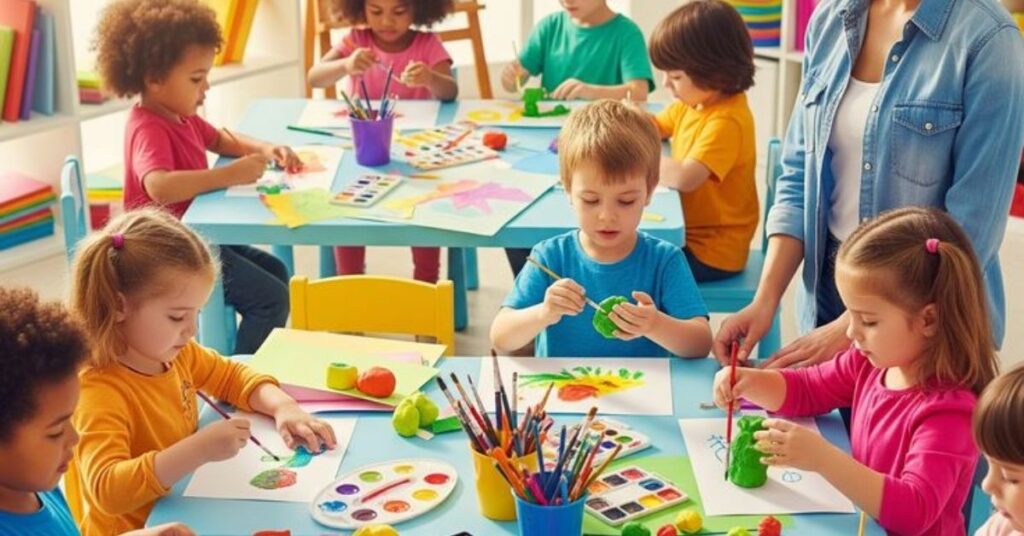
Creative activities , kind of spark imagination in every child. Like, imagination is the ability to think up new ideas, not just the same old ones. You can see it in drawing and painting, plus all kinds of crafting. But they aren’t only that , they also show up in dancing, singing , and storytelling.
These kinds of things open up a child’s mind , and it feels like everything gets wider.You really do not need any expensive stuff, most of the time. You only really need a couple sheets of paper along with a few colors, that should be enough to get going.Then let them build a thing out of cardboard boxes, nothing fancy, just stacking and cutting carefully.
Storytelling as a Teaching Tool
Storytelling as a teaching tool is basically using tales to educate children, you know like getting them to learn while they listen. It is kinda one of the oldest ways of tossing around knowledge and wisdom. Like, almost every culture on Earth uses storytelling, even if they name it in a slightly different way. Stories tend to make learning feel lighter , more curious too, not so stiff.
Storytelling can be used in a lot of simple ways, like not even thinking too hard about it. Parents can tell bedtime stories every night, sometimes the same one again if the kids look tired. Teachers can start a lesson with a short tale, and then suddenly everyone is paying attention. The stories can be about animals, about nature, or just everyday life, you know that kind of real thing.
Music and Songs Make Learning Stick
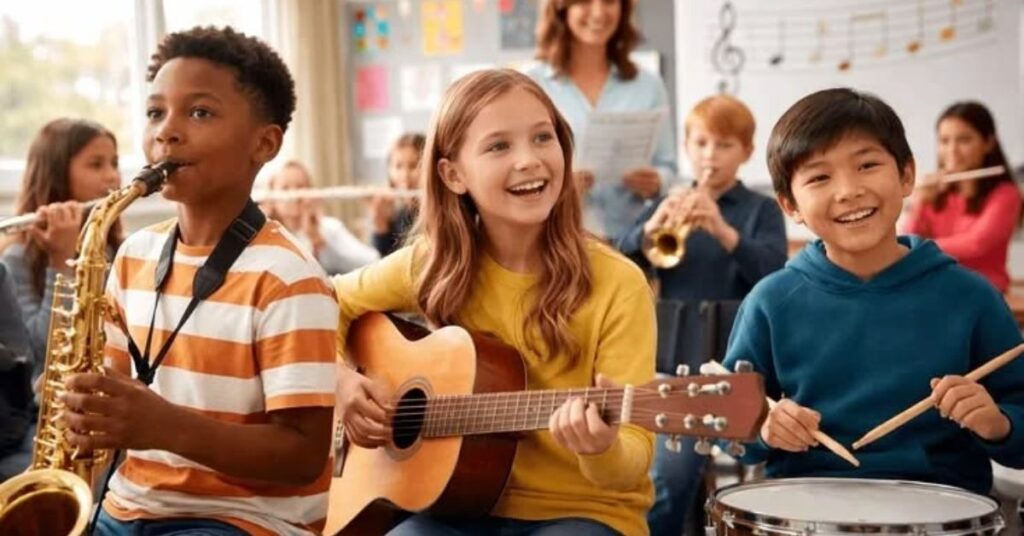
Music and songs help learning kinda stick in a kid’s memory , because the brain treats it like something important. When we say learning stick , we mean the information hangs around in the mind longer, not just for a minute. Music is a strong instrument for education, really. That repetition helps the brain save the information .
Using music in education is kinda simple, and yes it can be easy too. Parents can play learning songs at home everyday, and it feels natural. You do not have to be a singer at all to do this method. Just play a simple song and sing along with your child. In the end music, and those songs make learning stick, so each lesson turns into a joyful memorable moment for kids.
Nature as a Classroom
Nature as a classroom is like using the outdoor world, as a place where learning sort of happens naturally. It means taking children outside to explore and sort things out by themselves, not just reading about it. Nature is packed with small lessons that are always waiting. Kids often learn better when they can see things up close and also touch them , feel the texture and notice the details.
What Children can learn in Nature:
- How plants grow , and what they really need sunlight, plus water
- Names, and little habits of different birds, and animals
- How weather changes, and what causes rain and wind
- The four seasons, and how the natural world shifts with them
- Different kinds of rocks, soil, and natural materials
- How to respect the environment, and how to take care of it
Nature as a classroom is easy to use, pretty much every day. Just take your child to a nearby park or garden, and let them touch the grass , smell the flowers too.Encourage them to watch insects and birds, sorta as if they are learning to notice small clues. These nature walks don’t have to be long, honestly short is ok too, and keep it simple, nothing fancy. Even about 20 minutes outside can turn into a real lesson, you know like a quiet workshop.
Simple Nature Activities for Parents and Teachers
- Walk outside and collect leaves, and stones if you want
- Make a nature journal, and sketch what you notice
- Put a small seed in the soil and check on it daily, sort of like a little ritual , I guess.
- Watch ants and other insects, like not just quickly, but kind of observe them.
- Look at the weather every morning and discuss why it shifts
- Snap photos of plants, and also animals, then we build a scrap book together, like kinda slowly okay?
FAQs
What is active parental involvement in kids learning and education?
Active parental involvement is when parents are in the mix with their child’s learning, day after day. It can look like assisting with homework
How does active parental involvement help children learn better?
When parents are actively involved , children seem to feel more confident and supported, like steady ground under them .
How can parents use creative activities to support their child’s education?
Parents can use pretty simple activities, like sketching, painting , story telling , and music at home every day. It helps kids kind of stay engaged, and it keeps things moving along.
How much time should parents spend daily on active involvement in their child’s education?
Even 15 to 20 minutes of that quality time each day is basically enough to make a big difference , somehow.
Can active parental involvement make learning through play more effective?
Yes, absolutely. When parents join in these playbased, learning activities, children feel more motivated and, kind of, happy.
Conclusion
Group learning, and teamwork are pretty important for every child. When kids work together they figure out things they just can’t grasp by themselves, like in a more isolated way. There’s this overall boost to confidence , plus communication, and cooperation, even if it looks small at first.
Group learning, and teamwork sort of trains children for the real world, because in everyday life we rarely do things alone. Usually, we end up working alongside other people , so getting that habit early helps them a lot, and it’s part of why they often do better later. Parents can set up study groups at home, maybe with a sibling and a friend or two, and Teachers can design lively group activities in class.